About
Words that promise there is nothing to lose.
"No win, no fee" is the most powerful marketing line in the claims industry. It appears on adverts, leaflets and in cold calls. It tells people they carry no risk.
For many households, that is where the claim begins. A call or a knock at the door. A question about their insulation, their damp or their repairs. A promise that it will cost them nothing.
What they are rarely told is what happens if the claim fails. Or if the firm handling it goes bust.

How the trap works
- The advert. A household is approached and told the claim is "no win, no fee".
- The sign-up. They agree to a claim they have little reason to question. The risks sit in the small print.
- The collapse. The claim fails, or the firm breaks its own insurance terms or goes bust. The cover that was meant to protect the client falls away.
- The bill. The household is pursued for the other side's legal costs.
Why it happens
In personal injury claims, the law shields most claimants from the other side's costs if they lose. In property claims, such as cavity wall insulation and housing disrepair, there is no such shield. The only thing standing between a household and a costs bill is an insurance policy arranged by the firm. If the firm breaks the policy terms or collapses, that cover can vanish.
What happened at SSB Law
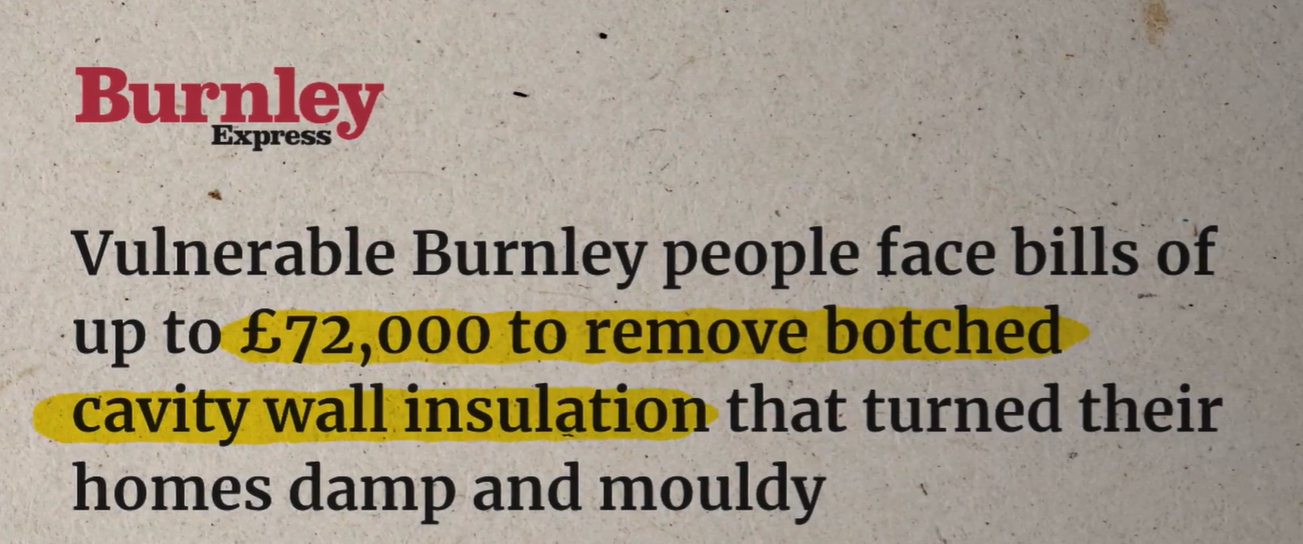
Around 1,700 households brought cavity wall insulation claims through SSB Law, a Doncaster based firm.
SSB Law collapsed into administration in 2023.
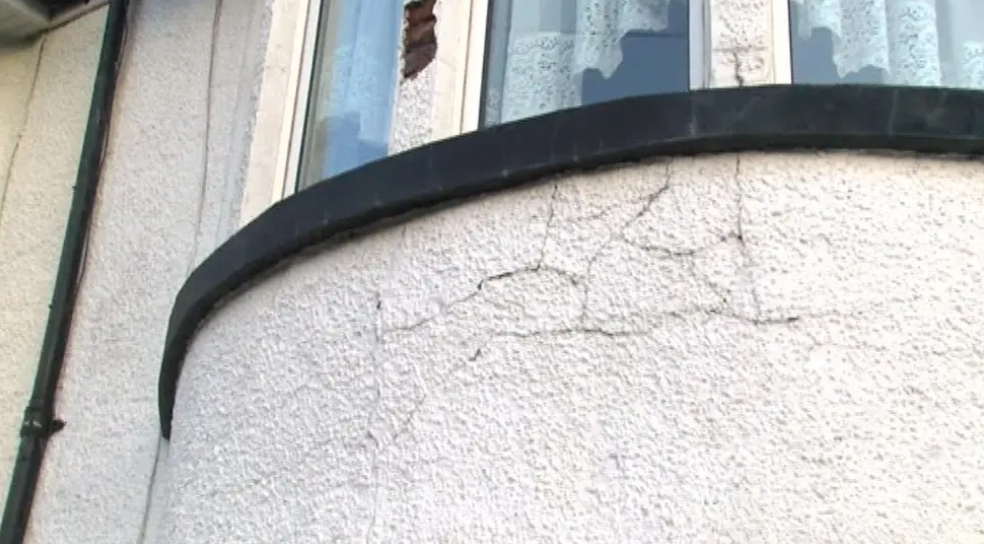
When claims failed, many clients were pursued for the other side's legal costs. Some faced bills of tens of thousands of pounds.
Many were still living in homes damaged by the insulation they had complained about.
Source: BBC News
Resident experiences
Burnley was promised nothing to lose.
In Burnley and Pendle, families signed up to claims over faulty cavity wall insulation after being approached about their homes. They were told the claims were "no win, no fee".
When SSB Law collapsed, many of them were left facing legal bills they had never been warned about. Some are still living with damp and damage today.
These are their stories, in their own words.
Featured film
False Promises web film awaiting supply
Captions awaiting supply
False Promises follows residents from Burnley and Pendle who were told their claims would cost them nothing.It premieres in Parliament on Monday 16 November.
Resident spotlight
They were encouraged to sue the installers. They signed up to what was sold to them as No Win No Fee cases, and the law firm, SSB Law, went into liquidation with hundreds of millions of pounds worth of debt.
It was very shoddy from the start. It took a year for the surveyor's report to be submitted.
I thought you just can't lose. It was explained [as] a win-win situation. But it turned out to be a lose-lose situation.
People have had these loans hanging over their heads for years, and whilst they are being told it's a non recourse loan… people have found there's been so little communication and very little transparency over these loans that they really still feel left in the dark.
Residents’ call
The people of Burnley want the words "no win, no fee" banned.
After what they have been through, who could blame them?
Fair Civil Justice’s ask
Our ask is simple.
If firms want to keep using those words, they must make them true.
Campaign asks
Make the promise true. Or stop making it.
Fair Civil Justice is calling on the Government and the Financial Conduct Authority to guarantee that anyone who signs up to a "no win, no fee" claim can never be pursued for legal costs if that claim fails or the firm handling it collapses.
If a firm uses the words "no win, no fee", the consumer must be fully protected. If it cannot offer that protection, it should not use the words.
01
A legal standard for "no win, no fee"
The Lord Chancellor already has the power to set the rules for conditional fee agreements. Those rules should require every "no win, no fee" deal to include a written guarantee. If the claim fails, the client pays nothing. No own side costs. No disbursements. No adverse costs. The FCA should apply the same rule to claims management companies, so the promise means the same thing whoever makes it.
02
Protection the firm cannot void
Where a firm relies on insurance to cover the other side's costs, that cover must protect the client even if the firm breaks the policy terms. The insurer should recover from the firm, not the family.
03
A backstop when firms collapse
A sector funded backstop, paid for by firms that run high volume claims and not by taxpayers, should meet any costs bill that would otherwise land on consumers when a firm fails.
Alongside this, we are calling for:
- An end to cold calling and aggressive lead generation for housing disrepair and cavity wall insulation claims.
- Transparency on who funds and owns high volume claims firms.
The route to change
- December 2026: The FCA's market study into claims management services publishes interim findings. It should recommend these changes.
- 2027: The Ministry of Justice consults on updated rules for conditional fee agreements.
- In step: The Solicitors Regulation Authority aligns its rules for law firms.